Watercolor Woodland Clipart, Forest: A Versatile Design Asset
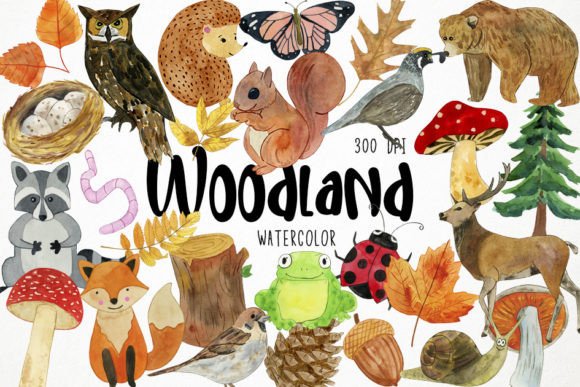
There's a certain magic in the hand-painted, imperfect beauty of watercolor art. It brings a human touch, a sense of organic warmth that digital perfection often lacks. When that aesthetic is combined with the timeless, beloved theme of the forest, it creates something truly special for creators. This collection of Watercolor Woodland Clipart, Forest isn't just another set of graphics; it's a toolkit for infusing projects with nature's serene and whimsical personality. With 27 distinct, hand-painted elements, each on a transparent PNG background at 300 DPI, this set is built for serious, versatile application.
Understanding the Aesthetic: More Than Just Trees
The core appeal of this Watercolor Woodland Clipart, Forest lies in its authentic, artisanal style. These aren't sterile, vectorized illustrations. You can see the subtle gradations of color, the soft bleeds where pigments meet the paper's texture, and the gentle imperfections that signal a human hand at work. The palette leans into the muted, earthy tones of a forest—soft greens, mossy olives, warm ochres, and gentle browns, punctuated by the occasional pop of a berry or a floral accent.
This visual personality is incredibly versatile. It can feel rustic and cozy, perfect for a farmhouse brand or a wedding invitation suite. It can also feel whimsical and storybook-like, ideal for children's products, nursery decor, or a boutique bakery's branding. The style bridges the gap between modern and traditional, offering a fresh take on classic nature motifs. For a designer or marketer, this means the assets can adapt to multiple brand voices without feeling out of place.
Practical Applications Across Creative Fields
The true value of any design asset is measured by its utility. Let's break down where this woodland set can make a tangible impact.
For Digital and Branding Projects
In web design and social media graphics, these elements are perfect for creating layered, engaging backgrounds. Imagine a soft, textured forest scene behind a testimonial on your website, or a single, elegant fern as a decorative accent on an Instagram story. They add visual interest without overwhelming the core message. For logo design or brand identity work, a single, carefully chosen element from the set can become a defining mark for an outdoor adventure company, a sustainable skincare line, or a local coffee shop, instantly communicating values of nature, authenticity, and care.
In Print and Editorial Design
The 300 DPI resolution is critical here. This isn't just for screens. These clipart pieces are ready for high-quality editorial design in magazines, book covers, and zines. They can serve as chapter headers, section breaks, or spot illustrations that enhance a narrative. In packaging design, they can transform a simple box or label into a premium, shelf-stopping product. Think of artisanal teas, handmade soops, or gourmet jams—the woodland theme aligns perfectly with products that emphasize natural ingredients and craftsmanship.
For Personal and Commercial Crafting
This is where the set truly shines for crafters and hobbyists. The transparent backgrounds make drag-and-drop functionality seamless in design software like Canva or Photoshop. Use them to create custom greeting cards, wedding invitations, or baby shower announcements. For small business owners and entrepreneurs, they are a cost-effective way to produce professional-looking marketing materials, from email headers to printable wall art for sale. The commercial license allows for this kind of expansive use, making it a smart investment.
Making It Work: Guidance for Effective Use
Owning a great asset is one thing; using it effectively is another. Here’s how to get the most out of your Watercolor Woodland Clipart, Forest.
First, consider font pairing. The organic, hand-painted style of the clipart calls for typefaces that complement, not compete. A clean, modern sans serif font can provide excellent contrast and readability for body text, allowing the artwork to be the star. Alternatively, a script font or handwritten font can lean into the whimsical, artisanal feel for headlines or logos, but use it sparingly to maintain legibility. Avoid overly ornate or rigid serif fonts that might clash with the free-flowing watercolor aesthetic.
Second, think about visual hierarchy and balance. A single, bold element like a large pine tree can anchor a design. Multiple smaller elements, like scattered leaves or mushrooms, can create a subtle, textured background. The key is not to overcrowd the space. Let the artwork breathe. Use the clipart to frame text, create borders, or act as decorative accents that guide the viewer's eye through your layout.
Third, evaluate the project's tone. This set is perfect for projects that aim to feel approachable, natural, creative, and warm. It might be less suited for ultra-corporate, high-tech, or minimalist industrial aesthetics where a different kind of modern typography and graphic style would be expected. Always ask: does this visual language align with the message I need to send and the audience I need to reach?
Finally, remember the practicalities. The transparent PNG format is a massive time-saver, eliminating the need for complex clipping paths. The high resolution ensures your work looks crisp, whether it's a small web icon or a large printed poster. By integrating these elements thoughtfully, you elevate your project from generic to genuinely crafted, building a stronger connection with your audience through the universal language of nature and artistry.